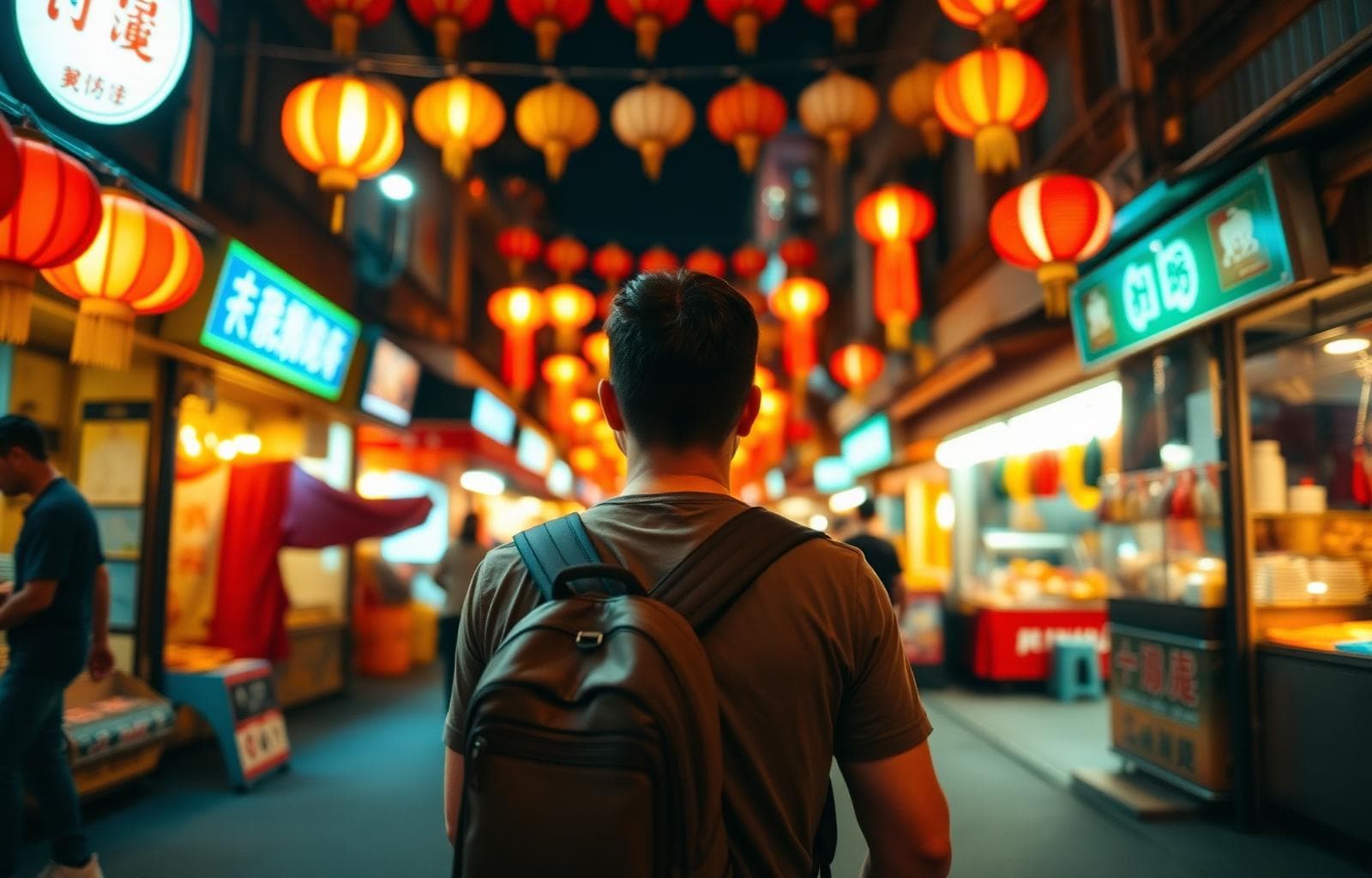
Chapter 1 Post-Pandemic Recovery in International Arrivals
Rising visitor numbers, year over year
After the trough of 2020–2021, Taiwan reopened in the second half of 2022 and arrivals rebounded to roughly 896,000. 2023 — the first full year of open borders — saw inbound visitors jump to about 6.487 million [1]. 2024 kept the momentum: 7.858 million for the year, up 1.37 million on 2023. Still short of 2019''s 11.86 million peak, but the recovery is unmistakable. 2025 is accelerating: through May, arrivals were already around 3.59 million, up about 10% YoY, and the year is on track to push close to 10 million again [2].
The reshuffle of source markets
Pre-pandemic, mainland Chinese visitors led (about 2.69 million in 2019), followed by Japan, Hong Kong / Macau and others. Recent years have changed the map: mainland visitors collapsed to ~400,000 a year through 2023–2024 — falling from over 20% share in 2019 to under 6%. Hong Kong / Macau and Japan / Korea remain the bulk.
2023 was the year Hong Kong overtook Japan to take #1; in 2024 Japan narrowly reclaimed the top spot (Japan 1.32 million, HK / Macau 1.31 million, each ~16–17%). Korea recovered fast and broke the 1-million mark in 2024. Western markets came back steadily — the US placed #4 with 651,000 visitors, the largest non-Asian source.
Southeast Asia — the rising market
Southeast Asia grew the fastest. From 2023, Thailand, Vietnam and others recovered to 80–90% of pre-pandemic levels; Singapore even nudged ahead YoY. 2024 marked the first time a Southeast Asian country broke into the top 5 — the Philippines at 467,000 (#5). Combined SE Asian arrivals reached 3.51 million, ~45% of the total — far above the ~22% share of 2019. Visa-free policies and active marketing toward ASEAN markets paid off; the customer base is far more diversified.
Chapter 2 How Each Market Searches for Food and Plans Trips
Travellers from every market care deeply about "what to eat and where", but the channels and preferences differ sharply. The patterns:
Japan
Japanese visitors weight word-of-mouth and authenticity. They source through Japanese-language media: Japan Google / Yahoo!, Japanese travel bloggers'' Taiwan write-ups, YouTube travel vlogs. IG and X tags like #台湾旅行, #台北グルメ are inspiration. Language matters — they prefer venues with Japanese intro or menus. They travel mostly FIT (free independent traveler), love night-market hopping and pilgrimage spots like Din Tai Fung. Food is often the single biggest reason they revisit Taiwan.
Hong Kong / Macau
HK / Macau travellers share a language with Taiwan and information is easy to access. They Google in Traditional Chinese, read HK forums and travel sites. Facebook travel pages and Xiaohongshu notes are watched closely. Cultural and culinary closeness mean they''ll try anything; the night market is mandatory each visit. Plans are flexible — they''ll detour to a high-rated spot they discover on Google Maps. Value-for-money is the key: high-rating, fair-priced venues win.
Korea
A "reverse K-wave" Taiwan trend has taken hold among young Koreans. They search in Korean — typically through Naver for "대만 맛집" (Taiwan eats), or through Korean travel communities and forums. Korean YouTubers covering Taiwan street food rack up huge views; #대만맛집 on IG aggregates more. Trips lean toward short Taipei-centric FIT, hitting bubble tea, mango shaved ice, xiao long bao; Ximending and Shilin are sticky. Despite the language barrier, young Koreans confidently order solo, helped by picture menus and increasingly available Korean service.
USA / Western
Information sources for American and European travellers are English-first. Searches are "Best restaurants in Taiwan/Taipei" on Google; TripAdvisor and Lonely Planet shortlist their picks. Some follow expat food blogs or Reddit threads. English menus and English reviews matter strongly to them. Average stays are longer; they go beyond Taipei and travel with a "discover the local" mindset. Hygiene and safety lead concerns, so they read up extensively before arriving.
Philippines
Filipino visitors skew young, are confident in English, and gather information through social media. Facebook is dominant — they join travel groups to see other people''s Taiwan food posts. Tagalog-subtitle Taiwan vlogs on YouTube are popular. They want to try affordable Taiwan favourites — fried chicken, bubble tea, lu rou fan, BBQ. Some book semi-DIY through agencies; some go pure backpacker with curated must-eat lists. Social proof carries enormous weight in this market — many come because friends bragged about a meal in Taiwan.
Singapore
Singaporeans are seasoned diners, fluent in both English and Chinese, with broad information channels. They consult authoritative guides like Michelin (Taipei has a Michelin Guide, which they watch closely), TripAdvisor, Google reviews. Local forums and blogs carry plenty of Taiwan food guides. With no language barrier, they go FIT with detail planning and often book Din Tai Fung or Michelin venues before flying. Strong spending power and willingness to range from night-market snacks to high-end dining.
Malaysia
Malaysians are diverse — Chinese, Malay, Indian. Chinese-Malaysians lean on Traditional / Simplified Chinese sources (Taiwan blogs, YouTube). English-fluent ones use TripAdvisor. Muslim travellers specifically search for halal-certified venues (Tourism Bureau and halal guide sites are primary sources). Malaysians like leisurely, deep itineraries — food + cafe culture, with IG and Xiaohongshu used to find Instagrammable cafes and signature spots. They''re more price-sensitive due to FX, but will pay for value.
Thailand
Thai visitors plan in Thai. Taiwan tourism authorities rolled out Thai-language sites and social channels — covering night-market food, bubble tea, dessert — which get strong engagement. Thai travel bloggers and Pantip threads carry many Taiwan food write-ups. Young Thais search #ไต้หวัน on Facebook and IG; sweet drinks and desserts especially excite. Limited Mandarin means they pick high-profile or picture-menu venues. Trips are typically friend FIT or guided groups — they want the venue to be affordable AND photogenic.
Vietnam
Vietnamese visitors are the emerging market — information flows through Vietnamese media and social. Local travel sites and Vietnamese Facebook groups discuss Taiwan trips and food. First-timers often go in groups, with agency-arranged big-name venues (beef noodles, hotpot). Young FIT Vietnamese travellers are growing — they watch Vietnamese-language Taiwan street-food YouTube and use translation apps to read TC Chinese articles. Night markets are highly attractive; they enjoy a wide variety of street food and find prices reasonable.
Summary
Every market is interested in Taiwan food — but the digital platforms they actually use differ sharply. Restaurants that learn the dominant search channels per market (Tabelog for Japan, Naver for Korea, OpenRice for HK / Macau, TripAdvisor for the US, Xiaohongshu / Dazhong Dianping for mainland China) and ship language-matched info and reputation-managed presence will land on travellers'' Taiwan must-eat lists before the trip starts.
Chapter 3 Cross-Market Marketing Notes by Price Tier
Different price tiers attract different visitors, with different priorities. Tailor your marketing to your tier:
Under NT$1,000 — Street Food / Night Markets
Taiwan night markets are everyone''s favourite — affordable, varied, the most authentic local experience. Concerns differ by market:
Hygiene & convenience (Japan, Korea): Japanese visitors love the atmosphere but care intensely about cleanliness. Highlight stall hygiene, ingredient sourcing, well-kept environment, and offer Japanese menus or guides. Bring in Japanese food KOLs for night-market vlogs distributed via YouTube and X. Korean visitors put night markets near the top of their list — fried chicken, stinky tofu — and post on IG. Tag #대만야시장; basic Korean menus or staff who can greet in Korean go a long way.
Social conversation & word-of-mouth (HK / Macau, SEA): HK / Macau already know Taiwan street food — focus on social exposure and topicality. Top-10 night-market posts on HK Facebook travel groups, or partnerships with Xiaohongshu creators recommending must-eats. SEA youth (Philippines, Thailand) love online challenges — try a "spicy challenge in 60 seconds" and short-form on TikTok. Klook night-market food bundles are price-effective and lock in customers ahead of arrival.
Multi-language service & payment ease (US / Europe, mainland): For US and European travellers, the novelty is appealing but the language barrier hurts. Provide English menus, picture guides, learn a few greetings. Encourage satisfied guests to leave English reviews on Google and TripAdvisor. Mainland Chinese FIT travellers rely heavily on phone apps — actively manage your Dazhong Dianping page and reply to reviews; participate in Alipay / WeChat Pay promotions to give them familiar payment + a discount.
NT$1,000–3,000 — Mid-Tier Restaurants
This tier covers beef-noodle shops, Taiwanese restaurants, viral cafes — where most visitors actually eat. Marketing focus: online reputation and service experience:
Optimise multi-language online presence: complete profiles on every major travel platform — English menu and hours on Google Maps; English description and ambience photos on TripAdvisor; managed pages on Tabelog (Japan), NAVER (Korea), Yelp (US). If resources allow, ship a multi-lang website or downloadable menu (zh / en / ja / ko).
Use KOLs and media coverage: invite food / travel KOLs across markets to experience and write in their language and frame. A Japanese blogger writes the meal up; a Korean YouTuber films the visit; HK columns tell the venue''s story. Watch Michelin Guide and Bib Gourmand — if you''re recognised, lead with it; Singaporean, HK and Japanese diners pay close attention to those rankings.
Be foreigner-friendly: train staff in basic English (and common-tourist greetings). Picture cross-references on the menu let language-blocked guests order easily. For Muslim and other dietary needs, prepare halal info or vegetarian options. When foreign visitors feel comfortable and respected, they post praise back home — and bring more compatriots.
Flexible reservations and promos: many international travellers plan in advance, so capturing the booking before they land is what locks in the table. Use a reservation system that takes bookings in multiple languages and lets you set a deposit policy that fits each market (Eatsy charges per booking, no monthly fee, so even seasonal inbound demand stays low-cost). Pair it with Klook / KKday meal vouchers — particularly effective for price-led markets like Philippines and Thailand — and accept international cards and mobile payment to cut checkout friction.
Above NT$3,000 — High-End Restaurants
Fine dining is a niche but strategic segment for inbound tourism — and the Michelin Guide''s arrival in Taiwan has placed Taiwan Michelin restaurants on more international itineraries:
Lead with unique value: communicate what makes the venue different — chef''s international awards, locally-sourced innovation, the story behind the menu. Premium travel magazines and feature media in Japan, US, HK matter.
Top-tier service and reservation experience: deliver beyond expectations. Service team fluent in English (and Japanese / Korean where relevant), explaining each dish''s context. Online reservations frictionless; email and social customer service replying fast. Private rooms, custom cakes, special arrangements where appropriate.
Build a high-end word-of-mouth circle: invite renowned critics or Michelin inspectors; partner with 5-star hotel concierges as VIP referral channels; after international awards, push the news in mainland, Singaporean and Malaysian gourmet communities. Mainland China is a key channel — WeChat public account, Weibo — framing the message as "Michelin star experience at relatively accessible pricing".
Chapter 4 Marketing Channels: All Markets, At a Glance
For each main source market, here are the food-search platforms and social channels they actually use. Restaurants should prioritise these channels for accurate listings, reputation management, and language-matched content:
4.1 Main food-info channel by market
Japan Google Maps / Search (JP), Tabelog (JP), Instagram. Japan''s largest restaurant review site; IG hashtags surface trending eats.
Korea Naver portal (KR), Korean blogs & forums, Instagram / YouTube. Local search platform of choice; KOL videos drive trends.
HK / Macau Google search / Maps (TC / EN), OpenRice (TC), Facebook travel groups. Local food-review platform; FB community is the info exchange.
USA / Western Google search / Maps (EN), TripAdvisor (EN), OpenTable (EN). Most-used review and navigation tools for Western travellers.
Philippines Google search (EN), Facebook groups (EN), YouTube vlogs. PH travel groups on FB; YouTube creators draw young viewers.
Singapore Google search (CN/EN), TripAdvisor (EN), Instagram / Xiaohongshu (CN/EN). Bilingual; international rankings + Chinese-Singaporean Xiaohongshu users.
Malaysia Google search (CN/EN), social (Facebook / Xiaohongshu), TripAdvisor / Klook. Diverse ethnic-language preferences; reviews + word-of-mouth dominate.
Thailand Google search (TH), Wongnai food app (TH), IG / FB. Wongnai is Thailand''s largest food-review app and lists Taiwan venues.
Vietnam Google search (VI), Facebook Vietnamese groups (VI), Klook blog (VI). Vietnamese travel platform official guides + community discussion.
Mainland China Baidu (zh-CN), Xiaohongshu RED (zh-CN), Dazhong Dianping (zh-CN), Weibo / Douyin (zh-CN). Domestic search + dominant social platforms; short video and Weibo topics drive travel demand.
4.2 Platform × market matrix (which markets use which platforms)
Google Maps / Search JP, KR, HK / Macau, US / Western, PH, SG, MY, TH, VN (CN excluded)
TripAdvisor US / Western, SG, MY
Tabelog JP
OpenRice HK / Macau
Naver KR
Wongnai TH
Xiaohongshu RED SG, MY, CN
Facebook JP, KR, HK / Macau, US / Western, PH, SG, MY, TH, VN (CN excluded)
Instagram JP, KR, HK / Macau, US / Western, SG, MY, TH
YouTube KR, US / Western, PH, VN
Dazhong Dianping CN
Klook MY, VN
OpenTable US / Western
Reddit US / Western
Weibo / Douyin CN
Lonely Planet JP, US / Western
The picture: source markets diverge sharply in which platforms they trust. Japanese travellers trust local review sites and travel magazines; Koreans are heavily influenced by KOL videos; HK / Macau and Malaysian Chinese prefer Chinese content; Americans and Singaporeans lean on global English review platforms; mainland Chinese travellers depend almost entirely on domestic apps. Restaurants in Taiwan should put their marketing budget and energy on the channels their target customers actually use — paired with language and culturally-matched content and service.
More Reading
Business Insights|For Every Culinary Creator
Social channels or platforms — where should your restaurant invest?
Why independent restaurants rarely use discounts, VIP tiers, or stamp cards
Using Customer Lifetime Value (CLV) to lift restaurant performance
Taiwan F&B (2024–2026): demand redistribution and structural squeeze under nominal growth
Reservation Guide|For Every Food Lover
🔗 Read more
- Taiwan Restaurant Industry 2024–2026 Deep Dive: Nominal Growth, Demand Redistribution, and Structural Squeeze
- 2025 Taiwan Restaurant Industry Trends Report
- Best Restaurant Reservation Systems Taiwan 2026: 6 Options Side-by-Side
- Scarcity, Autonomy, and Neuroeconomics: Decoding Consumer Psychology Across Restaurants, Hospitality, and Entertainment
- Marketing ROI calculator
Was this helpful?